
True luxury is no longer about having perfect skin, but living skin
The New Yorker published a fascinating essay titled Our Plastic-Surgery Nightmare. More than an article about cosmetic surgery, it's a reflection on our era and how social media, filters, and artificial intelligence are transforming our relationship with beauty.
Its observation is simple yet striking: faces are starting to look alike.
Fuller lips, sculpted cheekbones, perfectly smooth skin, thinner noses... The same aesthetic codes are repeated from one platform to another until they become the new norm.
But why are we all pursuing the same ideal?
When algorithms redraw our perception of beauty
Beauty standards have always existed. The difference today is that they circulate at an unprecedented speed.
Every day, we scroll through hundreds of carefully retouched images. Filters blur pores, even out skin tone, and subtly alter facial proportions. Artificial intelligence goes even further by generating almost perfect faces, where the signs of time seem to have disappeared.
By dint of seeing them, these images eventually seem normal to us. Then desirable.
The risk is not only wanting to look like them. It's forgetting what living skin actually looks like.
Skin was never meant to be perfect
Skin lives.
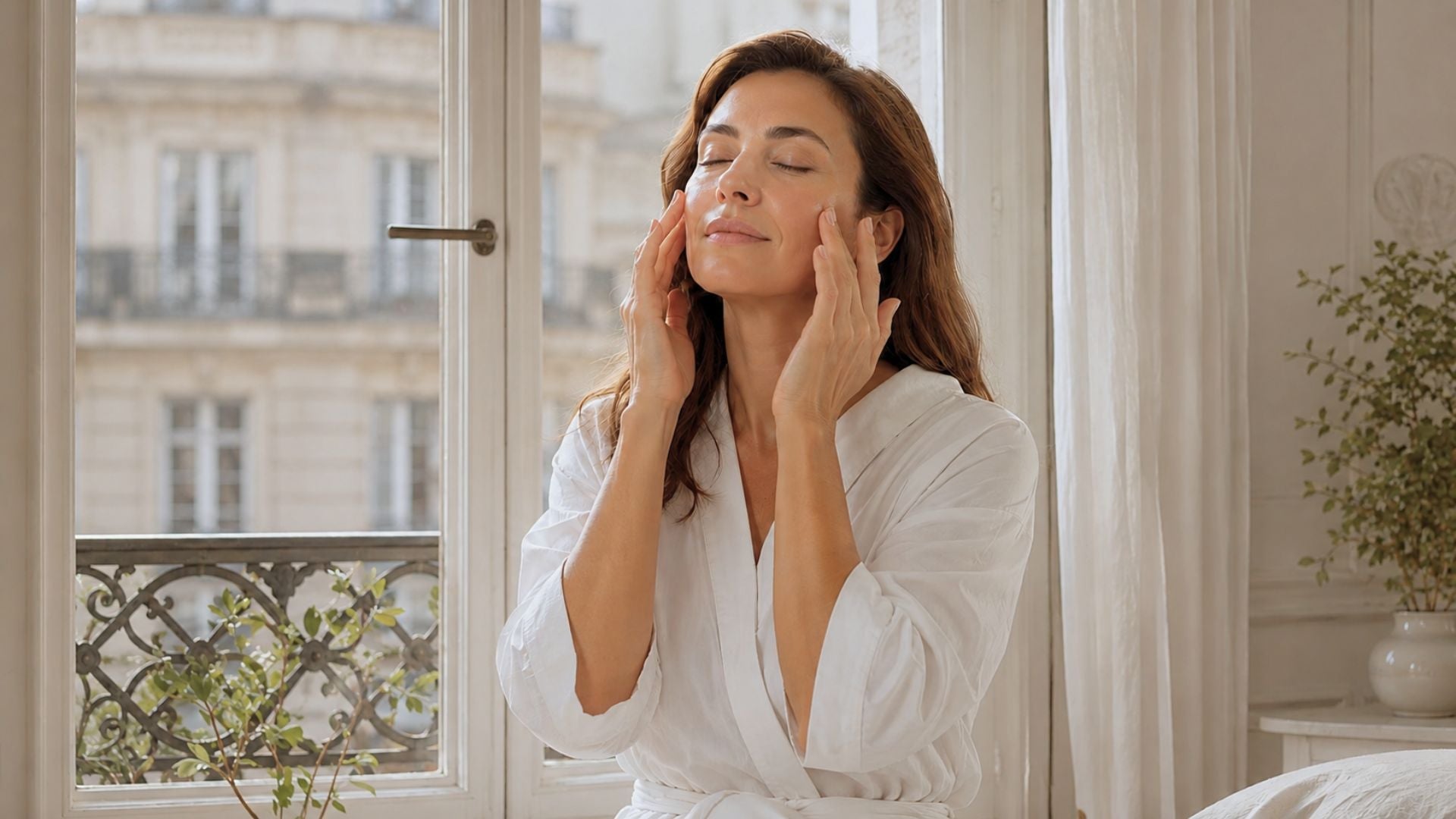
It reacts to sun, cold, stress, sleep, and emotions. It has texture, pores, sometimes a few spots or fine lines. These characteristics are not flaws. They are simply proof that it is alive.
Taking care of your skin shouldn't mean erasing its history, but allowing it to remain comfortable, radiant, and resilient over the years.
From perfection to longevity
For a long time, the beauty industry spoke of struggle: fighting wrinkles, fighting age, fighting imperfections.
Today, another vision is emerging: that of skin longevity.
The goal is no longer to freeze time, but to support the skin so that it remains healthy for as long as possible. This approach seems fairer to us, because skin can be magnificent without being perfect; it can tell a life story while remaining radiant.
To go further, discover our thoughts on skin longevity.
Relearning to inhabit one's face
The true message of The New Yorker article goes far beyond cosmetic surgery. It invites us to ask ourselves what we are truly looking for when we pursue a beauty ideal.
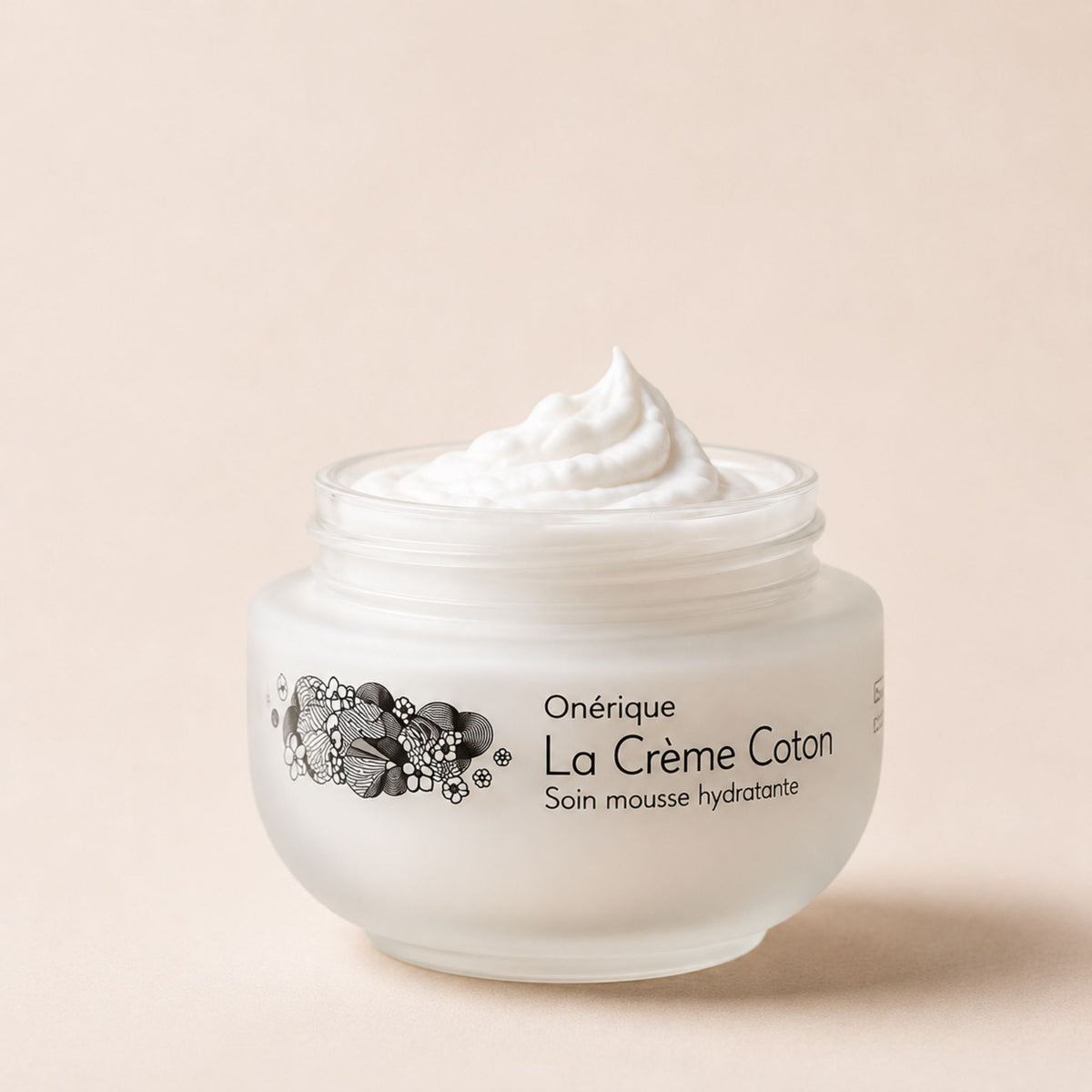
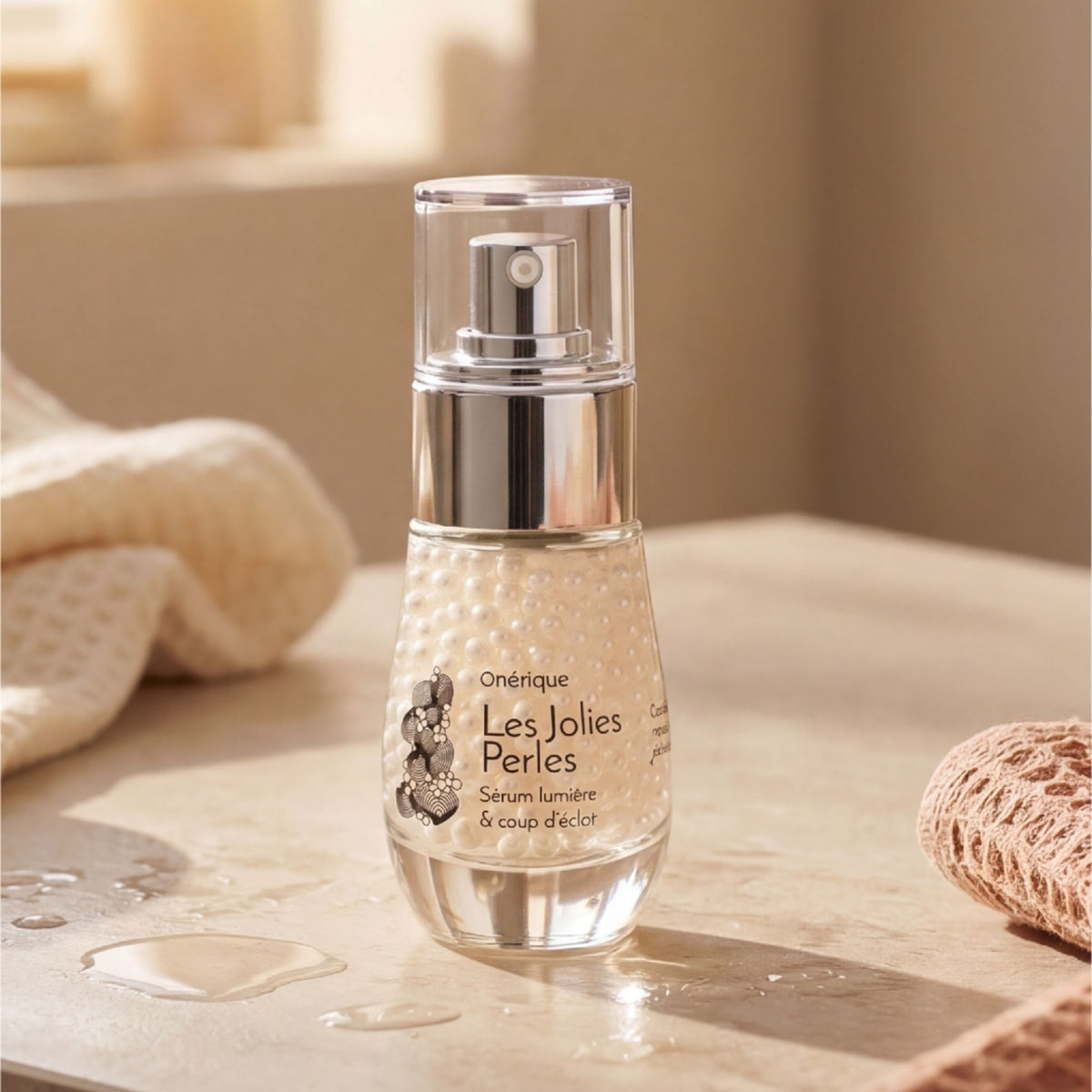
At Onérique, we believe that skincare should never distance us from ourselves. It should help us feel good in our skin, slow down for a few minutes each day, and rediscover the pleasure of a ritual.
After all, true luxury may not be having a perfect face. It's having a face that reflects who we are.
To delve deeper into this reflection, discover Jia Tolentino's essay, "Our Plastic-Surgery Nightmare" published in The New Yorker.