
Skin longevity: how to help your skin age slower
Just a few years ago, the anti-aging promise was all about erasing wrinkles. In 2026, the paradigm has shifted. Skin longevity has emerged as the new obsession of skincare brands and beauty experts. The idea: no longer simply correcting wrinkles when they appear, but preserving the skin at a cellular level for as long as possible.
Mitochondria, regeneration, skin vitality – these words are no longer confined to the lab. They are entering daily routines. And that's good news: because skin longevity, unlike genetics, is largely in your hands.
What is skin longevity?
Skin longevity refers to the skin's ability to maintain its optimal biological functions for as long as possible, not to appear young, but to function young. Long-lived skin regenerates effectively, maintains a strong barrier, produces collagen regularly, and resists external aggressions without becoming exhausted. Anti-aging skincare is changing direction in 2026. It is no longer just about correcting wrinkles, but about helping the skin navigate time better. This nuance is fundamental: correction occurs after damage, longevity before.
Why does skin age at a cellular level?
The answer mainly lies in the mitochondria, the powerhouses of each cell. Over time, external aggressions (UV, pollution, stress, fatigue, or lack of sleep) gradually impair their efficiency. The result: the skin regenerates less effectively, loses its radiance, and becomes more vulnerable to skin aging.
Added to this is a progressive slowdown in cell renewal. One study revealed that with advancing age, the migration time of epidermal cells increases by approximately ten days compared to younger subjects, indicating a notable slowdown in skin renewal. In short: your skin takes longer to repair itself, and every skincare gesture matters more.
Epigenetics teaches us that our genes do not dictate our destiny. Your environment and habits constantly modulate the expression of your DNA. Your daily choices dictate the future quality of your epidermis. Longevity is a daily decision.
What active ingredients support skin longevity?
Longevity active ingredients do not seek to mask aging; they act on its deep mechanisms. Here are the most documented ones:
Peptides: stimulating collagen synthesis
Peptides like Palmitoyl Tripeptide-1 and Palmitoyl Tetrapeptide-7 act as cellular messengers, signaling the skin to produce more collagen and elastin, and inhibiting the enzymes responsible for their degradation. Their action is cumulative: results build up over time with consistent, regular routine.
Spirulina: protecting cells from oxidative stress
Rich in phycocyanin, one of the most powerful antioxidants from the marine world, spirulina neutralizes the free radicals responsible for premature cellular aging. It acts as a shield against invisible daily aggressions: pollution, blue light, fatigue, UV rays. Upstream protection, before damage is visible.
Sea algae: remineralizing and strengthening the barrier
Laminaria Digitata is a brown algae rich in minerals, trace elements, and polysaccharides. It strengthens the skin barrier, improves water retention, and supports the skin's natural protective function. A strong barrier is the first line of defense against premature aging.
Biosaccharides: hydrating without oversaturating
Biosaccharides, such as Biosaccharide Gum, are biotechnological sugars that form a hydrating film on the skin's surface while soothing it. They support the skin microbiome, this invisible ecosystem that plays a central role in the skin's resistance and longevity.
What daily gestures support skin longevity?
Several levers allow concrete action on gene expression and skin quality over time: a diet rich in antioxidants, restorative and regular sleep, daily sun protection, and active management of oxidative stress.
In practice, this translates into simple but consistent gestures:
Protect the skin barrier every morning. An intact barrier is the first defense against accelerated aging. Choose a moisturizing treatment that strengthens this barrier, not one that overloads it.
Cleanse gently every evening. Nightly cleansing removes pollution and oxidative stress residues accumulated during the day. It prepares the skin to absorb the repairing active ingredients of the night.
Let active ingredients work at night. Cell regeneration is maximal between 10 PM and 2 AM. A night cream rich in peptides and antioxidants takes advantage of this window to amplify the skin's natural work.
Be consistent rather than intense. Skin longevity is not built in a week. It is built gesture by gesture, night after night, season after season.
Is skin longevity reserved for mature skin?
No, and this is one of the most important points to understand. It is now possible to proactively preserve skin health, before the appearance of visible signs of aging, by helping it to function optimally for longer.
In other words: starting early is an advantage, not a constraint. Longevity active ingredients (peptides, antioxidants, marine active ingredients) are not reserved for aging skin. They are for all skin that wants to age well.
What to remember about skin longevity
Skin longevity is not a marketing promise. It is a scientific approach to skincare: preserving the cellular health of the skin before aging becomes visible. Signals from the functioning of certain skin cells could be used as indicators of fragility, regardless of age, and allow for targeted strategies for preventing aging.
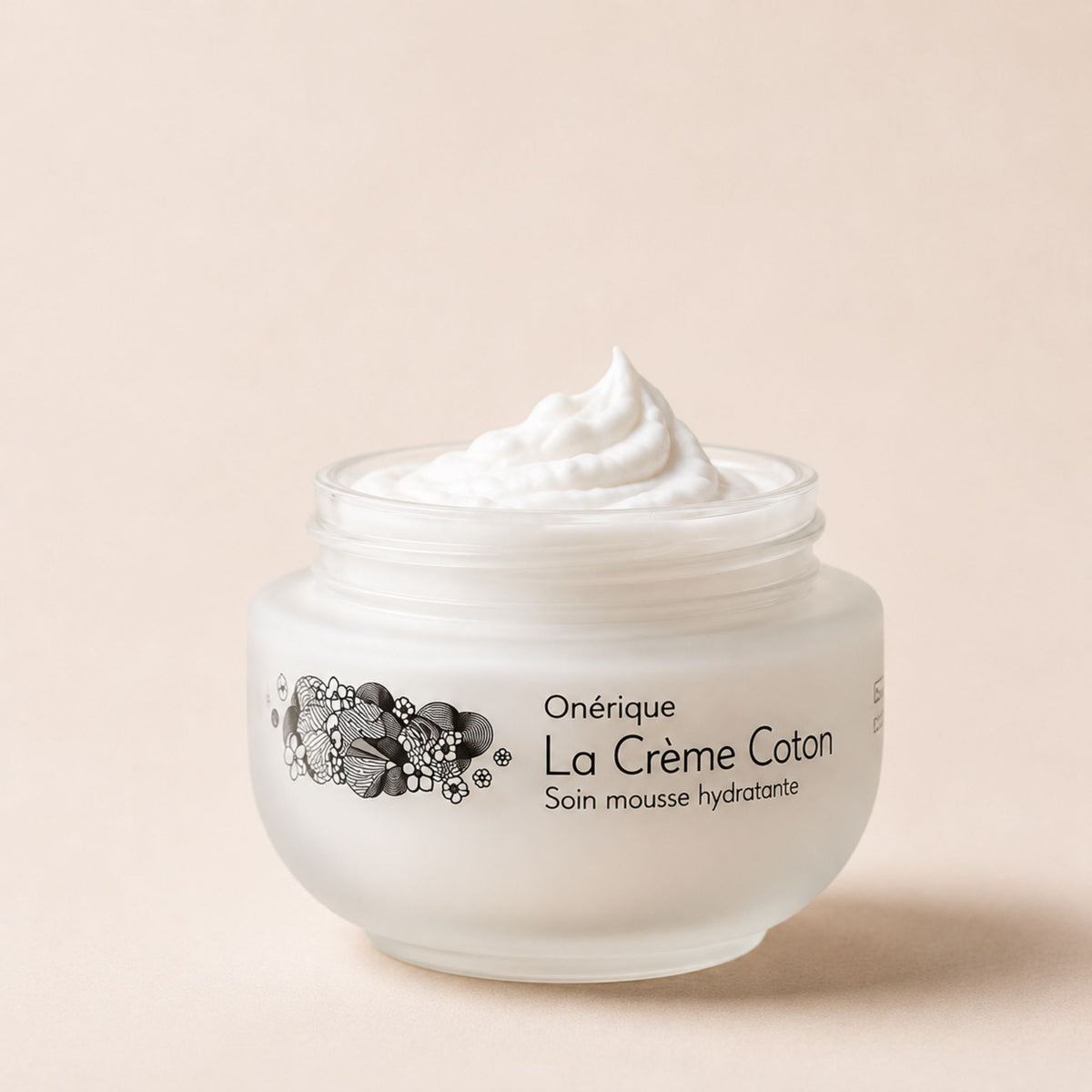
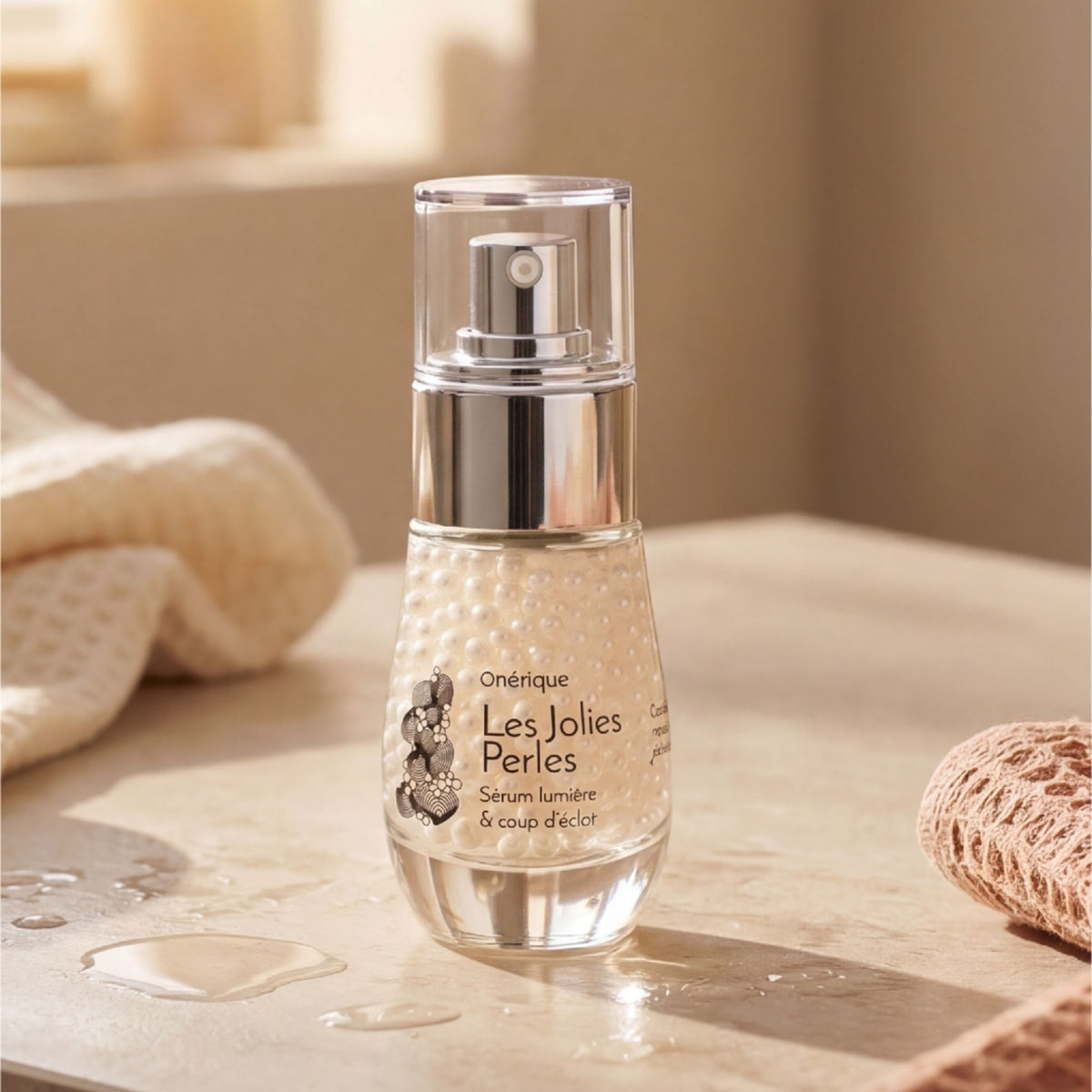
At Onérique, this is the logic that guides every formula: integrating active ingredients that work deeply (spirulina, peptides, Laminaria Digitata), so that your skin passes through time with vitality. Not so that it looks young. So that it is healthy, for a long time.
Frequently asked questions about skin longevity
At what age should you start a skin longevity routine?
The sooner the better. Longevity active ingredients (peptides, antioxidants, marine active ingredients) are effective from the age of thirty, when natural collagen production begins to slow down. But they benefit all skin types, regardless of age: the goal is to preserve, not just to correct.
What is the difference between anti-aging and skin longevity?
Traditional anti-aging intervenes after the appearance of signs of aging (wrinkles, spots, loss of firmness) to correct them. Skin longevity acts upstream: it preserves the biological functions of the skin before aging is visible. It is a preventive, scientific, and sustainable approach.
Are marine active ingredients really effective for skin longevity?
Yes. Marine algae like Laminaria Digitata and microalgae like spirulina are particularly rich in antioxidants, minerals, and polysaccharides, molecules that protect cells against oxidative stress, strengthen the skin barrier, and support regeneration. Their effectiveness is documented by numerous studies in marine cosmetology.
Are peptides suitable for sensitive skin?
Yes. Palmitoyl Tripeptide-1 and Palmitoyl Tetrapeptide-7 are among the best-tolerated anti-aging active ingredients; they stimulate collagen without causing irritation, unlike retinol. They are suitable for sensitive, reactive, and mature skin.
How do I know if my routine truly supports my skin's longevity?
A longevity-oriented routine should include: gentle cleansing that respects the skin barrier, an antioxidant active ingredient (spirulina, vitamin C, polyphenols), a regenerating active ingredient for night (peptides, marine active ingredients), and sun protection in the morning. Consistency is more important than complexity.