

Burn lines: when social media puts your skin at risk
Young women are voluntarily exposing themselves to the sun without protection to achieve very distinct tan lines, where a swimsuit, a headband, or a bracelet leaves a clearly visible white mark. Some use oil to speed up the process. The result: burned skin, presented as aesthetic on social media.
What science and health professionals say is unequivocal.
What exactly is the "burn lines" trend?
"Burn lines," also known as "tan lines" or "sun tattoos" depending on the variations, involve deliberately and prolonged sun exposure without sunscreen, with the goal of creating a stark contrast between tanned areas and covered areas. The trend has spread via TikTok, primarily among teenagers and young adults, and continues to circulate in 2026.
Behind the aesthetic aspect, it is a deliberate burn. And a burn, even a minor one, is never harmless for the skin.
What are the real dangers of burn lines for the skin?
The risks are documented, serious, and in some cases, irreversible.
Immediate and painful burns
Intense and unprotected exposure can cause first- or second-degree burns: pain, redness, skin peeling, and in severe cases, fever and malaise. These are not benign side effects; they are the body's responses to a real assault.
Accelerated skin aging
Every unprotected sun exposure generates free radicals that attack the collagen and elastin fibers in the skin. This damage is cumulative and irreversible. Skin that regularly burns ages faster, loses its firmness, and develops early pigment spots.
Increased risk of skin cancer
This is the most serious point. Ultraviolet rays are, according to numerous international epidemiological studies, the main preventable cause of skin cancer. In more than 85% of cases, melanomas are directly attributable to UV exposure, whether natural or artificial.
A sunburn before the age of 15 can double the risk of melanoma in adulthood. And between 1990 and 2023, the number of new skin cancer cases more than tripled in Western countries, according to data from the National Cancer Institute.
Melanoma is the most aggressive form of skin cancer. It develops silently, often years after exposure. A viral challenge today can become a diagnosis twenty years from now.
A cellular memory that nothing erases
As dermatologists remind us, every sunburn leaves a trace in the skin's cellular memory. The more you accumulate, the greater the risk, cumulatively, not linearly. It's not a question of individual sensitivity. It's a biological reality that applies to all skin types, regardless of their complexion.
Why is this trend particularly worrying for teenage girls?
Teenage skin is biologically more sensitive to UV. Its cell repair mechanisms are still developing, and damage sustained at this age has a disproportionate impact on the long-term risk of cancer.
But the problem goes beyond biology. These viral trends function as social challenges: not following them can seem like an act of resistance, while following them gives a sense of belonging. It is this mechanism that health professionals seek to deconstruct, replacing social pressure with information.
A message for mothers, sisters, friends
If you have a daughter, niece, or teenage friend who follows these trends, here's what you can tell her, simply and without dramatizing.
Tanning is not a sign of good health. It is the skin's response to an aggression. Melanocytes produce melanin to protect the cells' DNA from UV rays; in other words, tanned skin is a signal that the skin is defending itself, not flourishing.
There is no such thing as a healthy tan. There is a less dangerous tan, achieved gradually, outside the most intense hours (between 12 PM and 4 PM), with appropriate sunscreen, reapplied every two hours. But even under these conditions, each exposure leaves a trace in the cells.
Trends pass. Cellular damage, however, can remain. It's not a question of beauty; it's a question of long-term health.
Avoid dramatization and prohibitions; they often reinforce the appeal of the trend. Prioritize factual information and dialogue. Respect for autonomy, accompanied by clear information, is more effective than prohibition.
How to care for your skin after a day of responsible sun exposure
Enjoying the sun and caring for your skin are not contradictory ideas. They simply require a little attention, before, during, and after exposure.
After a well-managed day in the sun, the skin needs two things: repair and nourishment.
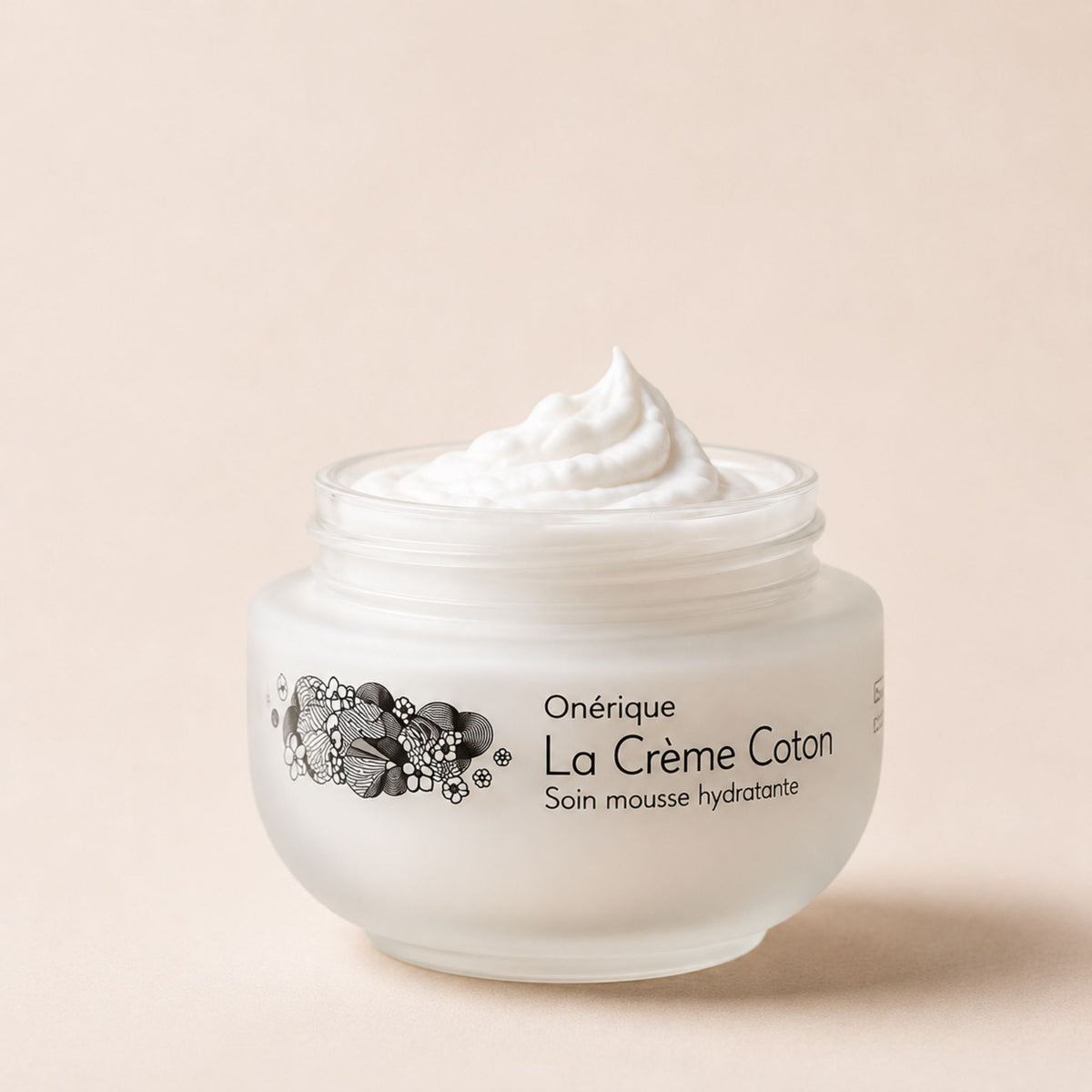
The face, constantly exposed, needs active ingredients that support its nocturnal regeneration. Nighttime is the skin's natural window for cellular repair; it is during sleep that recovery mechanisms are most active. A night cream enriched with antioxidant and regenerating active ingredients, such as peptides and marine extracts, amplifies this natural work after a day in the sun. This is precisely why our Night Cream was designed: to work silently, while you sleep, to support what the day has demanded.
The skin on the body, however, is often forgotten. Yet, it endures the same sun aggressions. Shea butter and mango butter, present in La Caresse, restore the suppleness and hydration of body skin after sun exposure. Melting and non-greasy, it absorbs quickly and leaves the skin comfortable and nourished.
It's not a complex ritual. It's a gesture of consistency: taking as much care of your skin after the sun as before.
What to remember about burn lines
The burn lines trend is symptomatic of a broader phenomenon: social networks can spread dangerous practices at a speed that health institutions struggle to counteract. Faced with this, clear and accessible information is the best response.
Your skin has a memory. It records every exposure, every burn, every aggression. Prevention is not a constraint; it is a long-term investment in your health and your true beauty.
Frequently asked questions about burn lines and sun protection
Are burn lines dangerous even if done only once?
A single, intense exposure can already cause cellular damage. The risk depends on recurrence, but a single severe burn, especially before the age of 20, is not trivial. It leaves a trace in cellular memory and contributes to increasing long-term risk.
Is there such a thing as a truly healthy tan?
Dermatologists are unanimous: there is no such thing as a risk-free tan. There is a less dangerous tan, achieved gradually, with SPF 50 sunscreen reapplied every two hours, avoiding intense exposure hours. Even under these conditions, UV rays cause cumulative micro-damage.
At what age are sunburns most dangerous?
Sunburns during childhood and adolescence are particularly concerning. A sunburn before the age of 15 can double the risk of melanoma in adulthood. Young skin is biologically more sensitive, and its DNA repair mechanisms are still developing.
How to repair skin after a day of responsible sun exposure?
Skin needs rehydration, nourishment, and antioxidant active ingredients to support its regeneration. For the face, a night cream enriched with peptides and marine active ingredients amplifies nocturnal cellular repair. For the body, a balm rich in plant butters like shea and mango butter restores deep suppleness and hydration.
How to talk about burn lines to a teenage girl without making her feel judged?
Avoid dramatization and prohibitions. Prioritize factual information: explain what a sunburn is biologically, what it means for cells long-term, and suggest alternatives like self-tanner or gradual exposure with protection. Respectful information is always more effective than prohibition.