
Peptides and Sleep: How Your Skin Really Regenerates at Night
There's something remarkable happening while you sleep. Your skin goes into repair mode. It regenerates, replenishes its reserves, and repairs accumulated damage. And it does this silent work better than any daytime treatment.
So the question isn't just what to apply to your skin. It's when. And with which active ingredients.
What really happens to the skin during sleep?
At night, the skin enters an active phase of cellular regeneration. Between 10 PM and 2 AM, melatonin production peaks, and with it, cellular DNA repair activity intensifies. Blood flow to the skin increases, cells divide faster, and collagen production accelerates.
It's also during sleep that the skin barrier rebuilds itself after the day's aggressions: pollution, UV, dehydration, friction. The skin is more permeable at night, meaning it absorbs topical active ingredients more effectively than during the day. In other words: night is the golden window for skincare.
What is a peptide and how does it act on the skin?
A peptide is a short chain of amino acids, the same molecules that make up the skin's proteins, such as collagen and elastin. In cosmetics, peptides act as cellular messengers: they send signals to skin cells to trigger specific repair and regeneration mechanisms.
Palmitoyl Tripeptide-1 is a fragment of type 1 collagen, composed of three amino acids (glycine, histidine, lysine), which stimulates collagen synthesis by targeting skin firmness and reducing wrinkles.
Palmitoyl Tetrapeptide-7, on the other hand, is an immunoglobulin G fragment composed of four amino acids (glutamine, glycine, arginine, proline) that reduces inflammation after UVB exposure and also stimulates collagen synthesis.
Together, they form a synergistic duo, commercially known as Matrixyl 3000, whose efficacy is documented by several clinical studies.
What are the benefits of Palmitoyl Tripeptide-1 and Tetrapeptide-7 peptides for the skin?
These two peptides act on several levels simultaneously, making them particularly valuable active ingredients in a night formula.
They stimulate collagen production
These peptides act as cellular signals, telling the skin to go into repair mode, in the same way that protein fragments released during an injury signal cells to repair damage. With age, natural collagen production decreases by about 1% per year from the age of 25. Peptides compensate for this slowdown by specifically relaunching synthesis.
They reduce silent inflammation
Palmitoyl Tripeptide-1 and Palmitoyl Tetrapeptide-7 have anti-inflammatory and antioxidant properties. They help protect the skin against oxidative stress, environmental damage, and inflammation, thus contributing to the prevention of premature aging.
They strengthen the skin barrier
This peptide complex supports the skin's natural barrier function, essential for maintaining optimal hydration and effective protection. By strengthening the skin barrier, it helps prevent water loss, improves skin resistance, and minimizes the impact of external factors such as pollution and UV.
They are remarkably well tolerated
A review published in 2018 in the International Journal of Toxicology reports that skin irritation tests conducted on healthy volunteers with a preparation containing Palmitoyl Tripeptide-1 showed no irritation. The substance was classified as "very well tolerated," with no notable side effects. They are suitable for sensitive, reactive, and mature skin. Learn more about this study.
Why are peptides more effective at night?
Two main reasons:
The first is biological: at night, the skin is in an active phase of regeneration. Peptides, which act as cellular repair signals, find a particularly receptive ground during this window. They amplify a process that the skin naturally triggers.
The second is physical: the skin is more permeable at night because it is not exposed to UV, pollution, or the mechanical stresses of the day. Active ingredients penetrate deeper and are absorbed more effectively.
Applying a peptide-rich treatment in the evening provides it with the best conditions to act.
How to integrate peptides into your night routine?
An effective night routine doesn't have to be complex. It needs to be consistent.
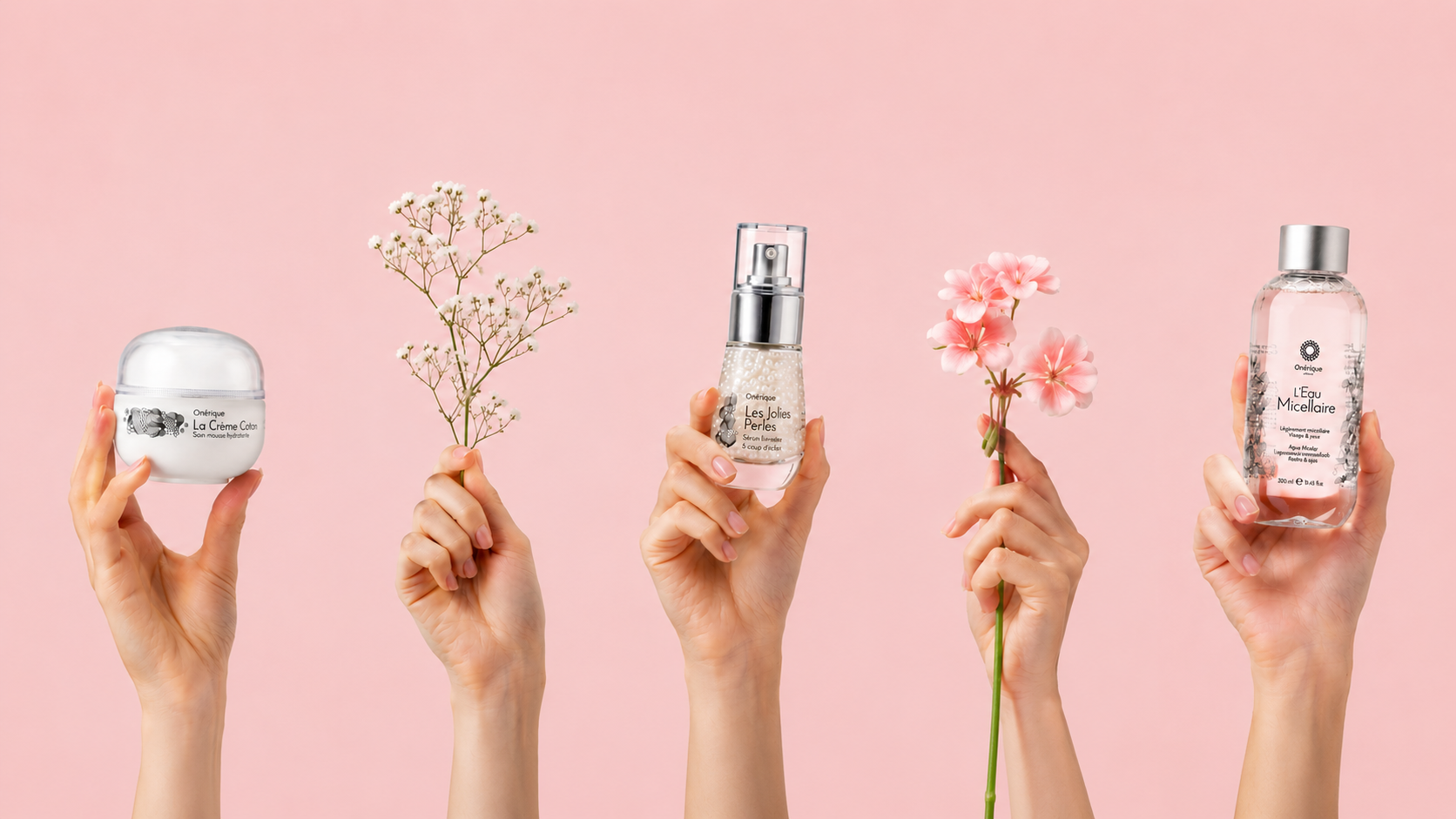
Step 1 - Gently cleanse the skin: At night, the skin must be clean to absorb active ingredients without hindrance. A gentle cleanser that respects the hydrolipidic film, such as Onérique Micellar Water, is sufficient.
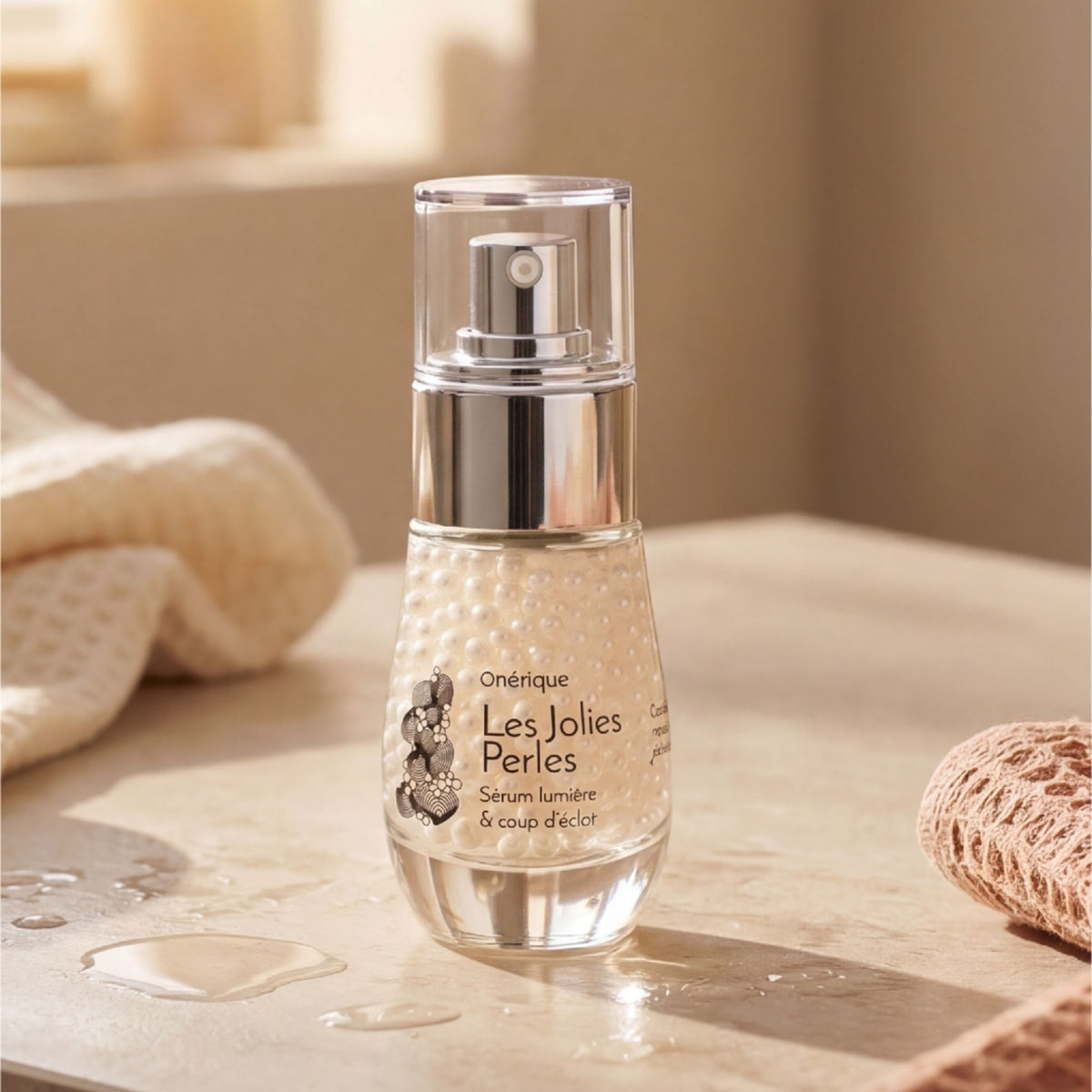
Step 2 - Apply the peptide treatment: Peptides are mainly found in night creams and serums. Apply the treatment to slightly damp skin to promote the penetration of active ingredients.
Step 3 - The gesture that changes everything: Take 60 seconds to apply your treatment with both hands, starting from the center of the face and gently moving up towards the temples. The skin absorbs active ingredients better when the nervous system is soothed. This is not poetry; it is physiology.

Step 4 - Consistency above all: Peptides do not produce immediate results. Their action is gradual, cumulative, and long-lasting. This is why regular application is the most underestimated asset in skincare.
What to remember about peptides and the night routine
Peptides are among the best-documented anti-aging active ingredients in modern cosmetics. Their ability to stimulate collagen, reduce inflammation, and strengthen the skin barrier makes them valuable allies, especially when used at night, during the skin's natural regeneration window.
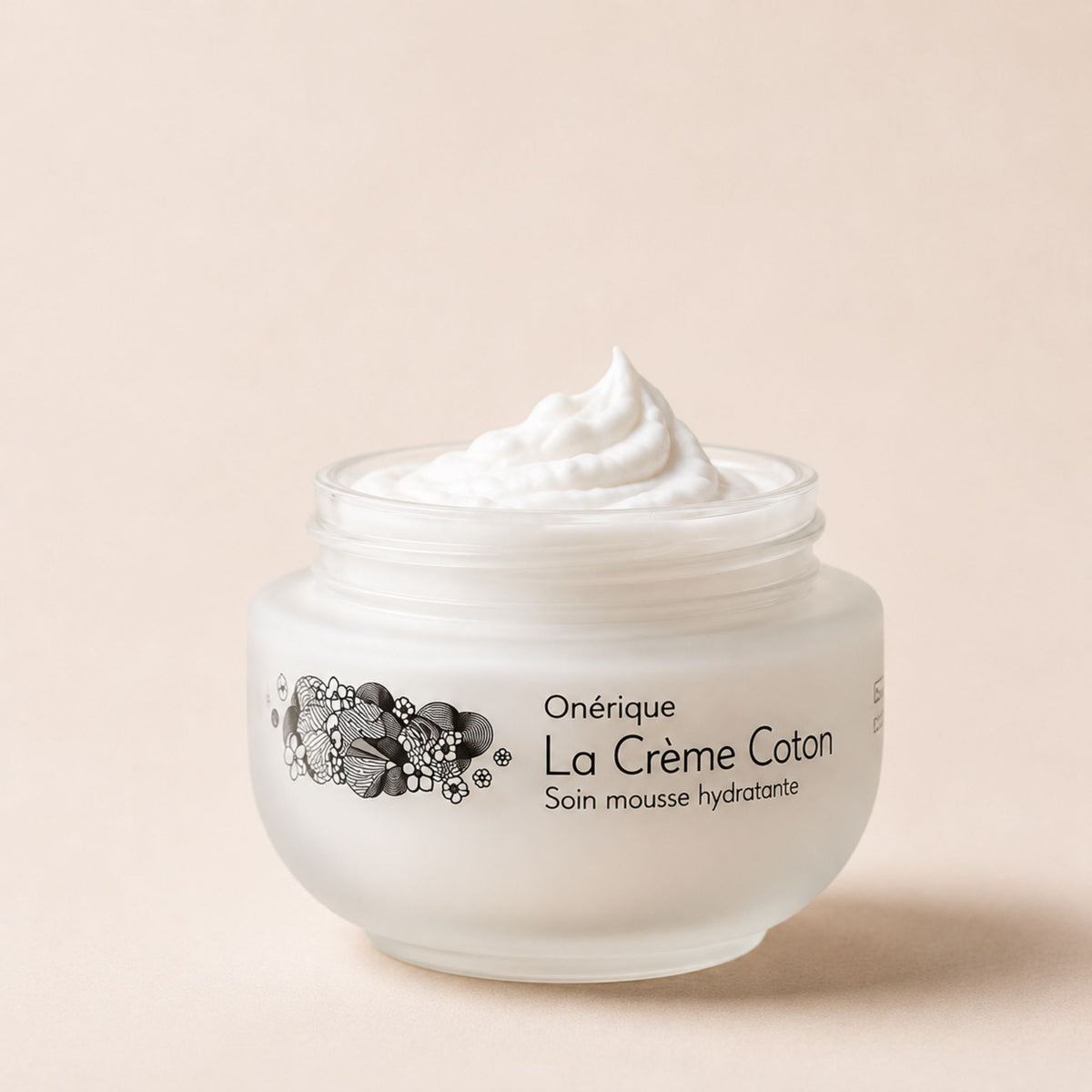
This logic guided the formulation of our Night Cream: to integrate Palmitoyl Tripeptide-1 and Palmitoyl Tetrapeptide-7 alongside spirulina and Laminaria Digitata, so that every night is an opportunity for real regeneration.
No promises. Just science, carefully applied.
Frequently asked questions about peptides and skin
Are peptides suitable for all skin types? Yes. Peptides are gentle, non-irritating active ingredients, suitable for all skin types, including sensitive and reactive skin. They can be used from the appearance of the first wrinkles, generally between 25 and 30 years old.
Can peptides be used every day? Yes, and it is even recommended. Peptides act cumulatively; their effectiveness increases with regular use. Daily application, preferably in the evening, yields the best results.
What is the difference between Palmitoyl Tripeptide-1 and Palmitoyl Tetrapeptide-7? Palmitoyl Tripeptide-1 primarily stimulates type 1 collagen synthesis, targeting firmness and wrinkle reduction. Palmitoyl Tetrapeptide-7 acts more on inflammation and cellular protection. Together, they form a synergistic duo whose action is superior to that of each peptide used alone.
Are peptides compatible with other active ingredients such as spirulina or squalane? Yes. Peptides combine very well with antioxidant active ingredients (like spirulina), moisturizing active ingredients (like squalane or biosaccharides), and remineralizing active ingredients (like Laminaria Digitata). This is why they are often integrated into multi-active formulas.
Do peptides replace retinol? Not exactly; the two active ingredients act differently. Retinol accelerates cell renewal but can cause irritation. Peptides stimulate collagen synthesis without irritation, making them an ideal alternative for sensitive skin or a complementary option for more robust skin.
Night after night, your skin regenerates. Our Night Cream was designed to amplify this work with Palmitoyl Tripeptide-1 and Palmitoyl Tetrapeptide-7 at the heart of its formula.